
Buying different investments using your money is easy. However, becoming a successful investor is tough. Many retail investors who are not investment professionals lose their money every year. There are many reasons why.
But one thing that every aspiring investor understands is important. There is insufficient time to research many stocks. It is hard to know what information to look for. It is bad news if you do not do enough research, as you will end up losing. The good news is you can reduce losses and the amount of research by looking at some factors of investing.
If there is one investing saying everyone must remember, it is that what goes down might come up one day. You will not know what will happen next in the stock markets. Big discounts are followed by sustained and large upswings known as a bull market (ตลาด กระทิง คือ).
Bull market
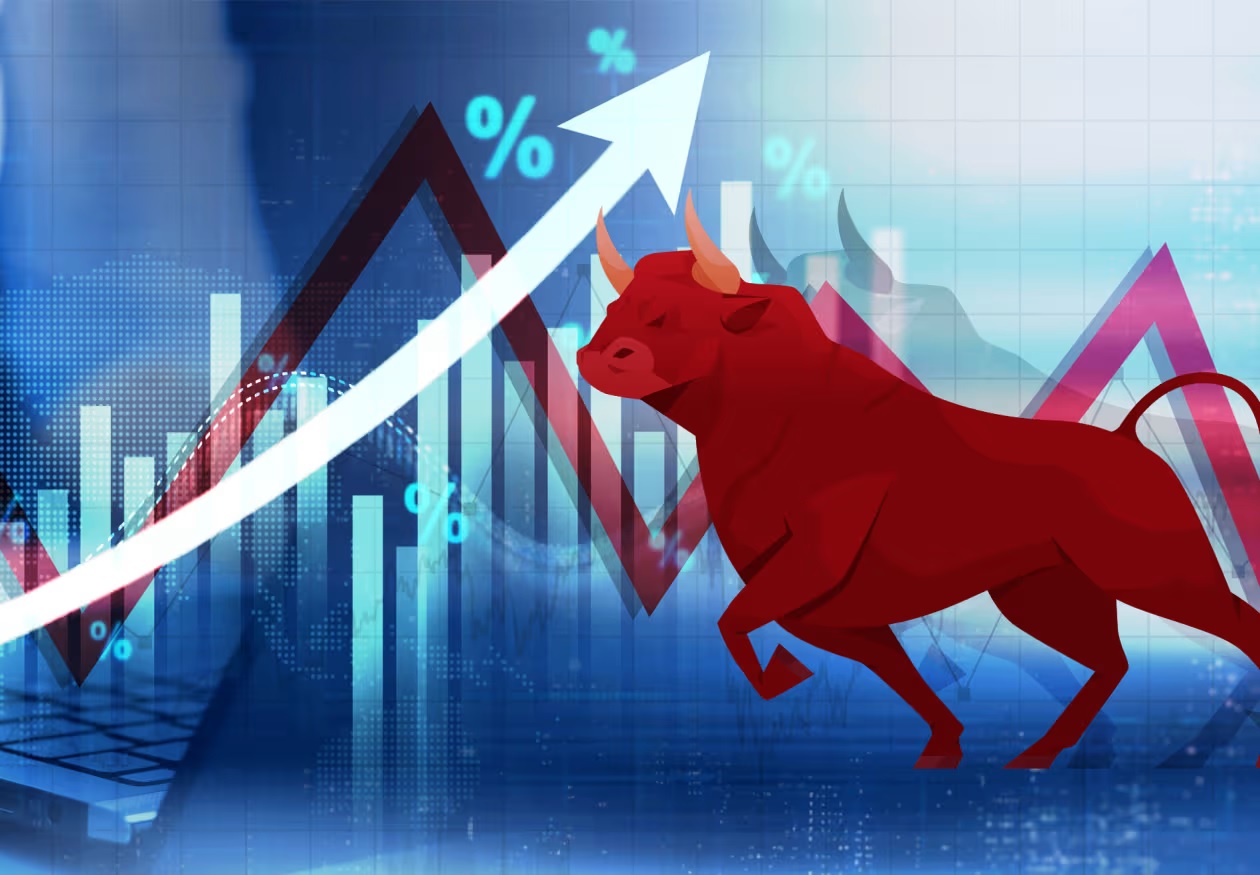
A bull market is a period of rising stock prices. A simple definition of why using animal symbolism is that it explains the movement of stock prices in the market. A bull attacks with its horns backed up upward, which symbolizes that prices go up. If you hear about a bull market, there is a bear market that simply explains their claws swiped downward, which represents a fall in stock prices.
There is no exact definition of a bull market, but it is a period when stock prices increase by at least 20% over recent lows in a short time. Bull markets are defined by high investor sentiment. You will see a spike in bullying. More investors are drawn to the market.
The increased demand for stocks drives the prices higher. The interest rates are low during the bull market, making it cheaper for businesses to:
- borrow money
- expand
High confidence associated with low borrowing costs translates to a rise in initial public offerings when stocks are bullish.
Bull markets are coupled with positive economic indicators, such as:
- strong corporate earnings
- high consumer confidence
- gross domestic product growth
- low unemployment
Causes of a bull market
Sometimes, stocks rise because other economic indicators are heading in a similar direction.
For example:
The total value of goods and services in a country rises when there is more demand. It boosts sales and profits when the stock prices are publicly traded. Companies hire more workers to handle more demand, which reduces unemployment.
Workers get higher pay when companies increase their demand for workers. This enables companies to spend more and increase their demand for goods and services.
Investors become more confident in the future when the economy grows. This makes investors more eager to buy stocks and other investments to benefit from the bull market. Investors are more reluctant to sell as they hold their investments and find out how high prices get, which shrinks the available supply of investments.
The lack of supply compared to demand causes the prices to rise until they hit the 20% threshold for the bull market.
FAQs
What to do with your money during a bull market?
It is a good time to assess your investing goals during a bull market. There are things to keep in mind, such as:
- Rebalance your portfolio
- Do not try to guess the top of the market
- Think about your next career move
How to recognize a bull market?
A bull market starts when stocks recover from a bear market.
How to know a bull market?
A bull market is a prolonged increase of stock prices.
What is a bear market?
A bear market is the drop in prices in the stock index.