
Trees do a lot of heavy lifting in your yard. They provide shade, improve curb appeal, and even help regulate temperature around your home. But when a tree becomes unstable, it quietly shifts from an asset to a liability.
Many homeowners wait too long to act because the signs are not always dramatic. A slight lean, a few dead branches, or small cracks might not seem urgent at first. The truth is that these early signals often point to deeper structural issues that can worsen over time.
A reliable tree removal service in West Bloomfield, MI helps you identify risks early and take action before damage occurs. Knowing when removal is necessary keeps your property safe and your outdoor space under control.
Why Removing a Dangerous Tree Matters
A compromised tree does not just fall one day without warning. It usually weakens over time until the right conditions, such as strong winds or saturated soil, trigger failure.
When that happens, the results can be costly and dangerous. Trees can damage roofs, vehicles, fences, and nearby structures in seconds. Even worse, falling limbs or entire trees can cause serious injuries.
Taking action early gives you:
- Better control over the situation
- Lower repair costs compared to emergency damage
- Peace of mind during storms or harsh weather
Handling the issue before it escalates is always the smarter move.
Key Warning Signs You Should Not Ignore
You do not need specialized training to spot a tree in trouble. Many warning signs are visible if you know what to look for.
Leaning That Was Not There Before
A tree that suddenly leans or shifts direction may have root damage. This is especially concerning if the soil around the base appears raised or cracked.
Cracks or Splits in the Trunk
Large cracks weaken the tree’s structure. Over time, these splits can expand, making the tree more likely to break apart.
Dead or Dropping Branches
If branches are falling frequently, the tree may be in decline. Dead limbs can detach without warning, even during calm conditions.
Hollow or Decayed Areas
A hollow trunk or soft wood is a major red flag. It suggests internal decay, which reduces the tree’s ability to support its own weight.
Recognizing these signs early allows you to act before the situation becomes urgent.
How Disease and Pests Affect Tree Stability
Not all damage is visible from the outside. Disease and pests can weaken a tree from within, slowly reducing its strength.
Fungal growth, unusual leaf discoloration, or peeling bark can indicate deeper problems. Insects such as borers can tunnel into the tree, damaging its core structure.
As these issues progress, the tree becomes brittle and less stable. In many cases, removal becomes the safest option to prevent unexpected failure.
The Impact of Storm Damage
Storms are a major cause of tree-related hazards. High winds, heavy rain, and lightning can turn a healthy tree into a dangerous one overnight.
After a storm, check for:
- Split trunks
- Hanging or broken branches
- Uprooted or exposed roots
- Sudden leaning
Even if the tree remains standing, it may be structurally compromised. A professional inspection helps determine whether it can be saved or needs to be removed.
When Tree Removal Becomes the Best Option
Some trees can recover with trimming or support systems, but not all situations allow for repair.
Removal is often necessary when:
- The trunk is severely damaged
- More than half of the tree is dead or decaying
- The root system is unstable
- The tree is too close to structures or power lines
A qualified tree removal service evaluates these factors and helps you make a practical decision based on safety and long-term value.
Why Professional Removal Is the Safer Choice
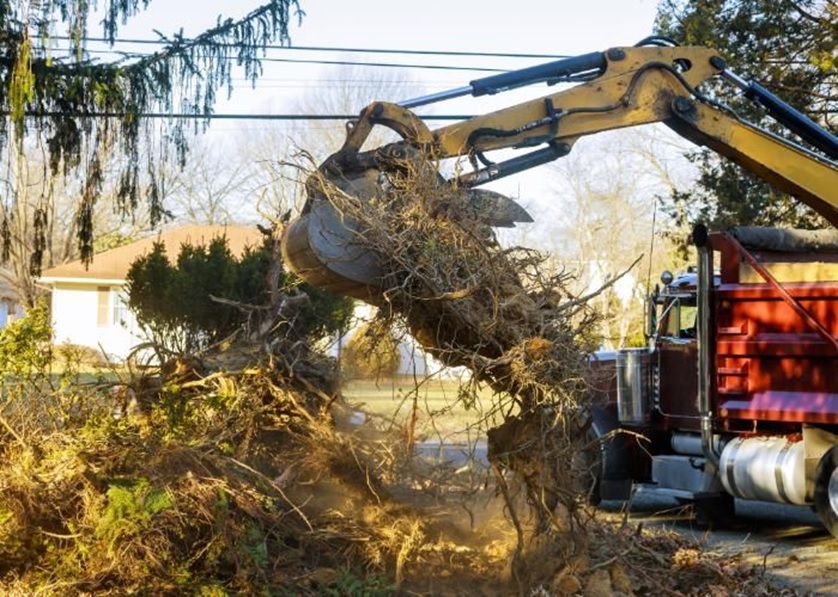
Tree removal is not a simple weekend project. It involves heavy equipment, precise cutting techniques, and careful planning.
Attempting it without proper experience can lead to:
- Uncontrolled falls
- Property damage
- Serious injuries
- Equipment mishandling
Professionals manage the entire process, from cutting to cleanup, while controlling how the tree is lowered. This keeps your property protected and the job efficient.
What to Expect During the Removal Process
Knowing what happens during removal can make the process feel more manageable.
Typical steps include:
- Evaluating the tree’s condition and surroundings
- Planning the safest removal method
- Cutting the tree into sections for controlled removal
- Clearing debris and preparing the area
A tree removal service handles each step with precision, reducing stress and ensuring the job is completed safely.
After the Tree Is Gone: What Comes Next
Once the tree is removed, you have an opportunity to improve your outdoor space.
You may choose to:
- Grind or remove the stump
- Level and restore the soil
- Plant a new tree in a better location
- Redesign your landscaping
Removing a hazardous tree often opens the door to safer and more functional yard design.
Conclusion
A dangerous tree rarely improves with time. It becomes more unstable, more unpredictable, and more expensive to deal with later. By learning to recognize the warning signs and taking action early, you protect your home and everyone around it.
Tree care is not just about maintaining appearance. It is about safety, planning, and long-term property value. Staying proactive helps you avoid emergencies and keeps your outdoor space working in your favor.
If you suspect a tree on your property may be unsafe, do not wait for the situation to worsen. West Bloomfield Tree Service & Removal provides expert evaluations and safe, efficient solutions tailored to your needs. Contact the team today to schedule a professional assessment and take control of your landscape with confidence.